Newsletter Subscribe
Enter your email address below and subscribe to our newsletter
Enter your email address below and subscribe to our newsletter

 ByJohn A
People don’t notice a mole until it begins to cause problems. It sticks to clothes. It is used to rub against jewelry. It becomes difficult to cover with makeup. Sometimes, it isn’t even about discomfort. It’s about always being mindful of that place in the mirror. Friends might not be aware of it. Family members may tell you that it’s nothing to be concerned about. However, when it affects how you feel about your appearance every day, it naturally takes up space in your mind. This is where they start looking into their options.
The initial question when looking for mole removal near me is simple. Is it worth doing? Some people say that the answer is based on practicality. Mole is irritated when shaving. It becomes entangled in the hair when brushing. It is located in a region with persistent conflict. Others choose to decide because they desire to feel more comfortable in social situations. They are fed up with playing with angles in photos or hiding something that has been bothering them for years. Different reasons. Similar outcome. Individuals want to feel comfortable in their bodies.
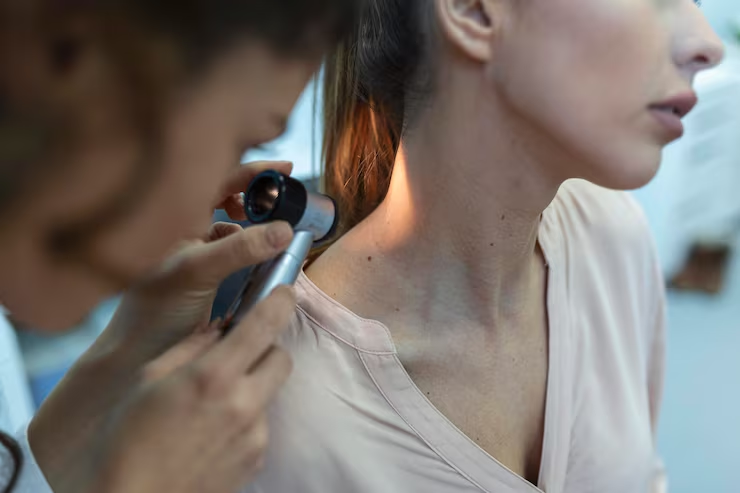
Cosmetic clinics are aware that these concerns are not just about looks. One such environment is a Define Clinic, where people can explore professional treatment options and openly discuss their goals. Some patients come in with complaints of irritation. Others just want to know if it’s a good idea to remove. The first step is to know the person’s needs, not to assume them. That chat is more important than many realize.
Some individuals tend to ignore cosmetic issues as they are less serious than other health issues. However, minor annoyances can add up.
A mole in the area of the collarbone can rub against necklaces on a daily basis. A one near the waistband may become irritated due to clothing. Moles on the face can draw unwanted attention, which can affect confidence during presentations, interviews, or social events. None of these situations is an emergency. However, they can subtly affect comfort and self-esteem.
Chronic pain can lead to unconsciously adapting to life. Choosing different clothing. Styling hair differently. Avoiding certain photographs. These changes over time turn into habits.
When people start thinking about change.
See also: How Crescent Truck Repair Services Help Keep Commercial Fleets Running
Confidence is typically talked about as being on the inside. Mindset. Perspective. Self-acceptance.
Those things matter.
Meanwhile, physical comfort can help build confidence in practical ways. If people stop worrying about a feature that has been irritating them, they might feel more relaxed in everyday situations. They are more active in their participation. They don’t expend as much energy on what they think they look like to others.
This doesn’t imply that all people should dig up a mole.
It means that individuals have the right to choose what is best for them.
That’s significant.
Not all moles are the same and should not be treated the same. Size, location, and appearance all play a role in determining suitable options.
That’s why it’s important to get a professional evaluation.
Some people think removal will be difficult. Others want it to happen right away, without talking about it. In reality, it’s more likely to be somewhere in between. Qualified practitioners provide information on available options, discuss the expected outcomes, and answer questions before proceeding.
Knowledge reduces uncertainty.
Hesitation is often caused by uncertainty.
When people know how it works, they can make informed decisions rather than assuming or going by what they’ve heard online.
Comfort is more than just physical sensations.
Discomfort doesn’t always hurt.
Sometimes, it’s emotional.
One might avoid wearing certain clothes because of an obvious mole. Another might crop photos before posting them online. It can just be that someone else feels distracted during conversations, thinking that others are noticing something that they would like to change.
These experiences vary from person to person.
There is no universal rule for what should or should not affect confidence.
The important thing is recognizing that comfort includes both physical and emotional experiences. Addressing either one can improve quality of life in ways that are difficult to measure but easy to appreciate.
Cosmetic procedures are not magic solutions.
They cannot solve every confidence issue.
People who approach treatment with balanced expectations often feel more satisfied with their decisions. The goal is improvement. Greater comfort. Less irritation. Increased confidence in situations that previously caused self-consciousness.
Not perfection.
The decision should be personal rather than influenced by outside pressure. Some individuals embrace their moles completely. Others prefer removal after thoughtful consideration.
Both choices are valid.
What matters is having access to accurate information and professional guidance.
Many people spend years adjusting to small concerns because they believe those concerns are not important enough to address. They tolerate irritation. They work around discomfort. They continue second-guessing themselves in situations where they would rather feel relaxed.
Sometimes, confidence improves through significant life changes.
Other times, it begins with solving something small that has quietly affected daily life for years.
For those considering mole removal, the decision is rarely just about appearance. It is often about comfort. Choice. Peace of mind. And the freedom that comes from feeling a little more like yourself.